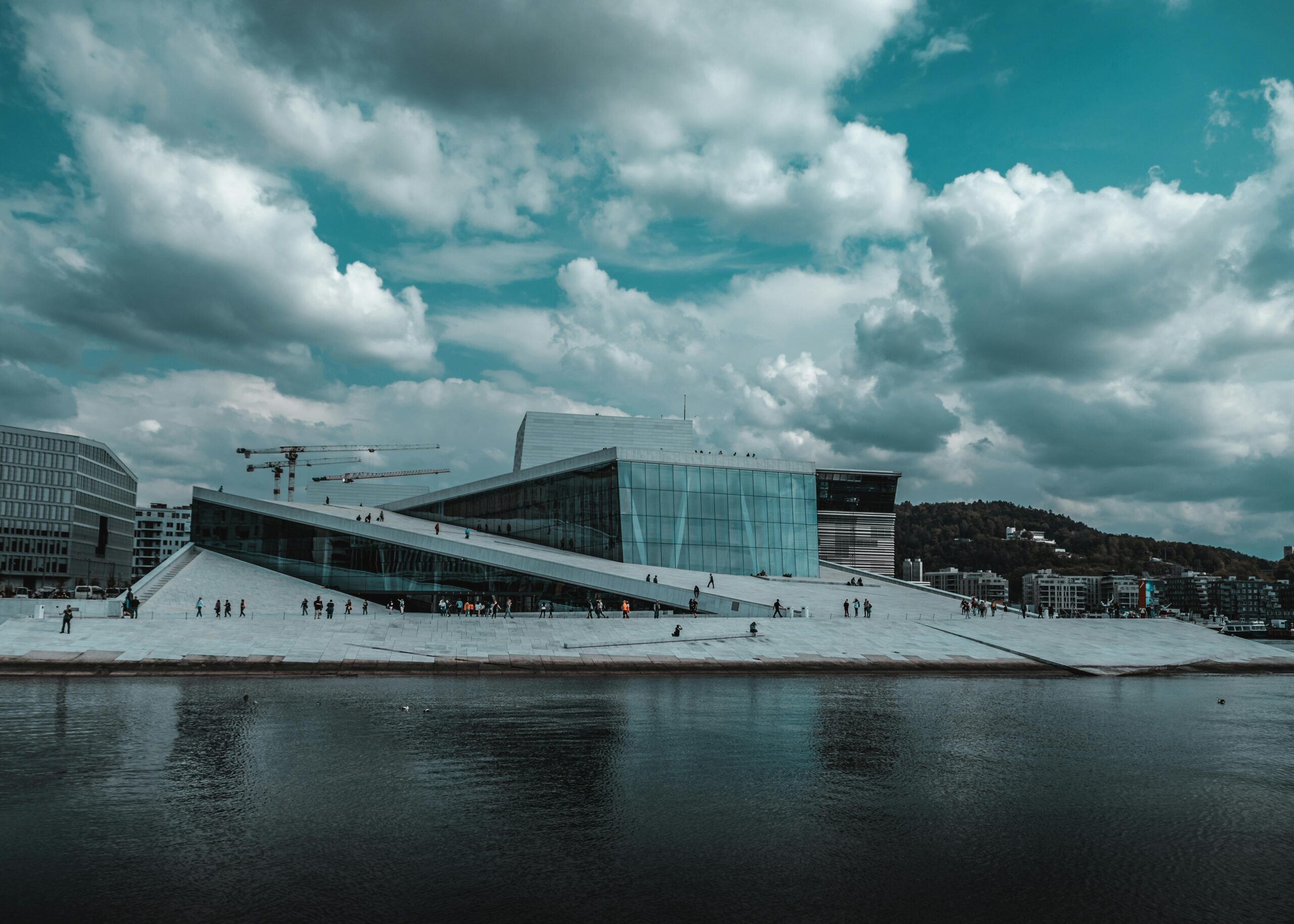


Oslo, the capital of Norway, has a rich history that dates back to the Viking Age. It was founded around 1050 by King Harald Hardrada. Originally, it was known as Óslo and was a key trading hub. The city’s location at the head of the Oslofjord was strategically important for commerce and defense. In 1624, after a devastating fire, the city was rebuilt closer to Akershus Fortress. King Christian IV renamed it Christiania in his own honor. The city flourished as a center of administration and culture, especially in the 19th century when it became the capital of a newly independent Norway. In 1925, the city reclaimed its original name, Oslo. Today, Oslo is a vibrant metropolis that seamlessly blends its historical heritage with modern urban life. The city is home to a number of museums, including the Viking Ship Museum and the Munch Museum. It’s known for its green spaces, such as Frogner Park, and its close proximity to nature, offering residents and visitors opportunities for hiking and skiing in the nearby forests. The city’s architecture ranges from the historic buildings in the city center to the contemporary structures of the Barcode Project.

We:

Our time in Oslo was a nice. We never made it into the city center or saw any of the classic sights. Instead, our visit was entirely focused on one particular place. Our main destination was the Fram Museum, and it was a truly immersive experience. This museum is dedicated to Norwegian polar exploration and is built around the original polar vessel, the Fram. You can actually go on board and walk through the ship, which was used on three major expeditions. The museum does an incredible job of telling the stories of the brave men who ventured into the world’s most hostile environment. The expeditions of Roald Amundsen are a major highlight. He was the first person to reach the South Pole, and the museum details his careful planning and his successful race against Robert Falcon Scott. The Fram, a sturdy ship designed to withstand being frozen in ice, was crucial to his success. It’s fascinating to see the actual ship that carried him to the Antarctic. The museum didn’t gives significant attention to the story of Umberto Nobile and his airships. Nobile, an Italian aeronautical engineer, was a key figure in airship exploration over the North Pole. He is famous for his historic flights, including the dramatic and tragic end of his airship, the Italia. After the crash, a massive international rescue mission was launched. A particularly poignant part of the story is that Roald Amundsen himself disappeared while searching for Nobile, who was eventually found and rescued. The museum effectively captures the complex relationship between these two explorers and the perilous nature of their pursuits. Before our time at the museum, we settled in for the night. We stayed in the parking area below the Frognerseteren tram station. We found the spot to be perfect, with beautiful surroundings and a peaceful atmosphere. We were quite content there and ended up not making the journey down into the main part of the city. For families seeking a similar but different kind of adventure, we can definitely recommend the Inspiria Science Center, a great place for interactive and educational fun outside the typical tourist circuit.