
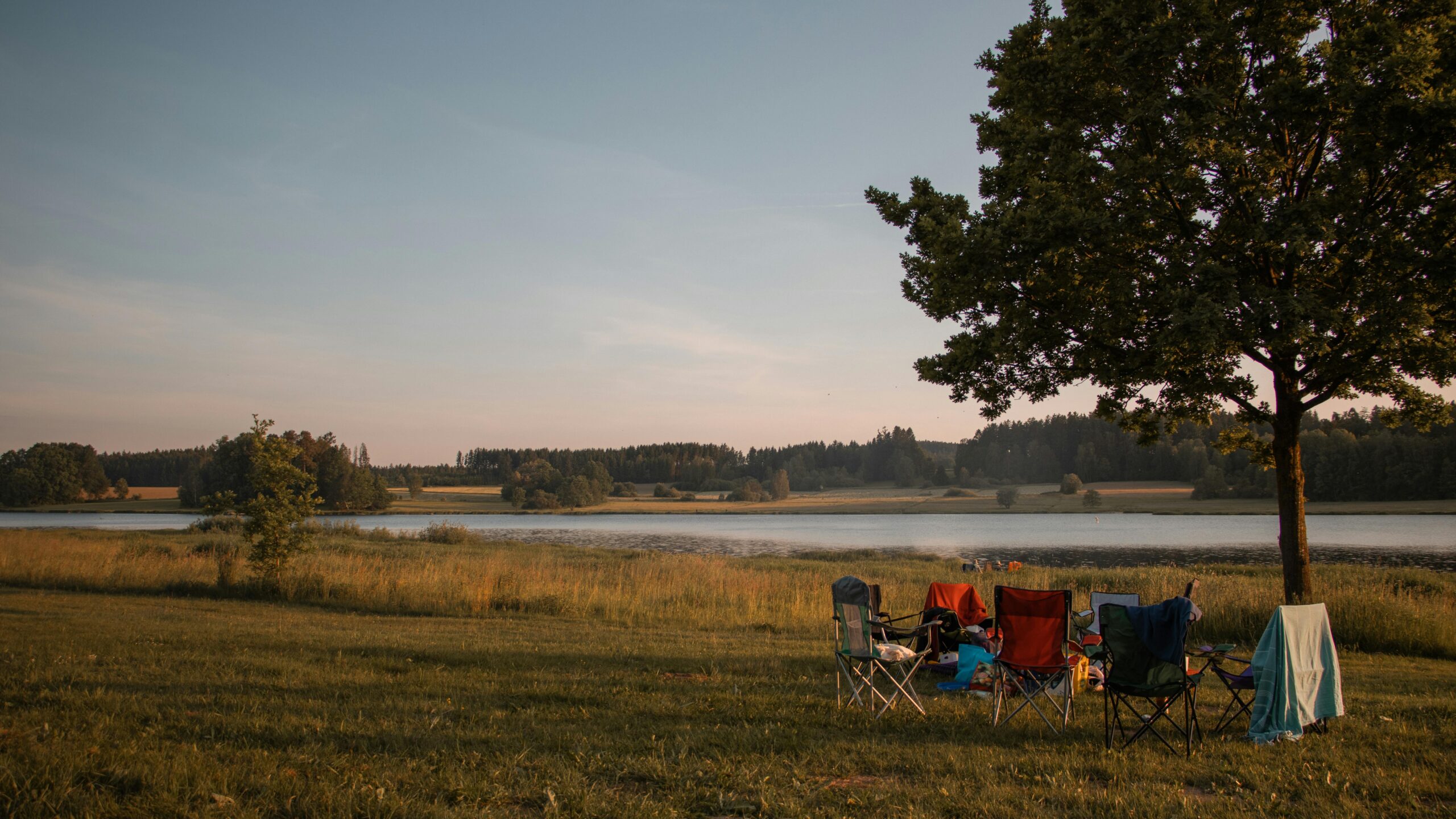
Exploring Germany in a matorhome is an experience the visit the country, but the rules around where you can stop for the night can be a little confusing. The short answer is that wild camping with a campervan is generally prohibited. However, there is a crucial legal distinction between “camping” and “parking to restore your fitness to drive” that every campervan owner must understand. The German traffic law permits you to park your campervan in any public parking space, street, or rest area for a single overnight stay to ensure you are rested enough to continue driving. This is often referred to by the German term “Wiederherstellung der Fahrtüchtigkeit,” or “restoration of driving ability.” This allowance is strictly for one night, typically limited to a maximum of ten hours, and the vehicle must be ready to drive at all times. The moment your activity crosses the line from a simple parking rest into actual camping, you are in violation of the rules. For a campervan, this means you are absolutely not permitted to extend any camping infrastructure outside of your vehicle in public areas. This includes using any form of external stabilizers or jacks other than standard leveling blocks that sit under the wheels, opening an awning, or setting up camping chairs, tables, or a barbecue. Such actions are considered “wild camping” and can result in significant fines, particularly if you are in a nature reserve or on private land without permission. Lighting fires outside of designated areas is also a major offense. Open fires are generally prohibited in forests and within a distance of 100 meters from the forest edge, and this prohibition usually extends to camping cookers in public rest areas. When parked overnight for the purpose of rest, any open flame or extensive cooking apparatus outside the van is strongly advised against. If you are caught illegally lighting a fire, the penalties can be extremely high. For anything more than a short overnight rest, you must use designated camping spots. There are two main legal options for staying longer or setting up a full camp: “Stellplätze” (motorhome areas) and “Campingplätze” (campsites). Stellplätze, or motorhome areas, are specialized parking spots designed for campervans and motorhomes, often managed by local municipalities. They are generally limited to one or two nights and are primarily for overnight parking, although they usually provide some basic facilities like fresh water, waste disposal, and sometimes electricity. While they are a paid and legal place to park, they are still usually not intended for extended “camping” behavior, meaning setting up a large camp outside the vehicle with full awnings and extensive furniture may be restricted by the area’s specific rules. Always check the local signs or pay machine instructions. Campsites, or Campingplätze, are the traditional and most comfortable option for campervan travelers in Germany. These sites are designed for long stays and full camping activity. At a campsite, you can fully extend your awning, set up your chairs, tables, and stabilizers, and often use designated fire pits or grilling areas according to the site’s own regulations.