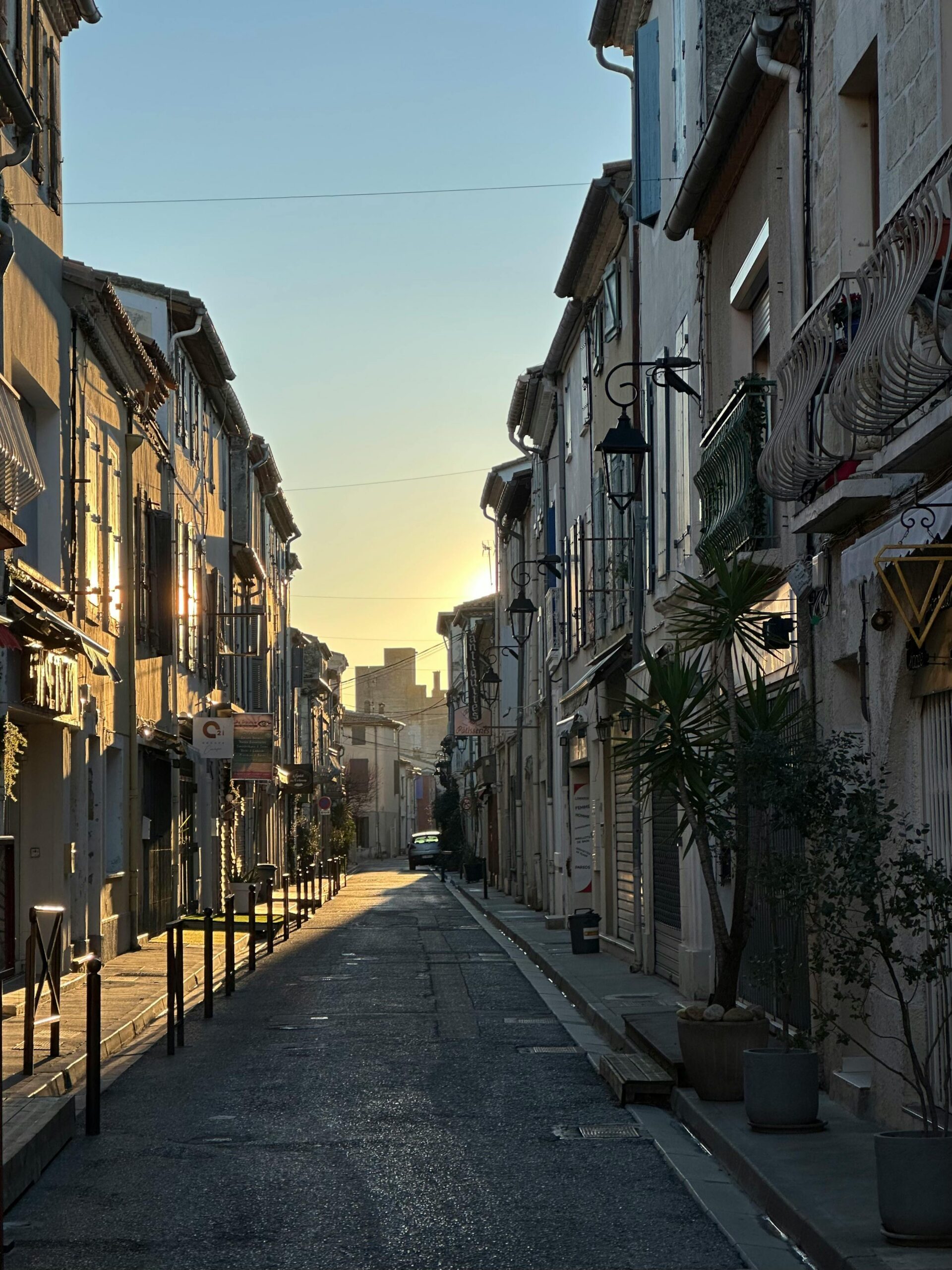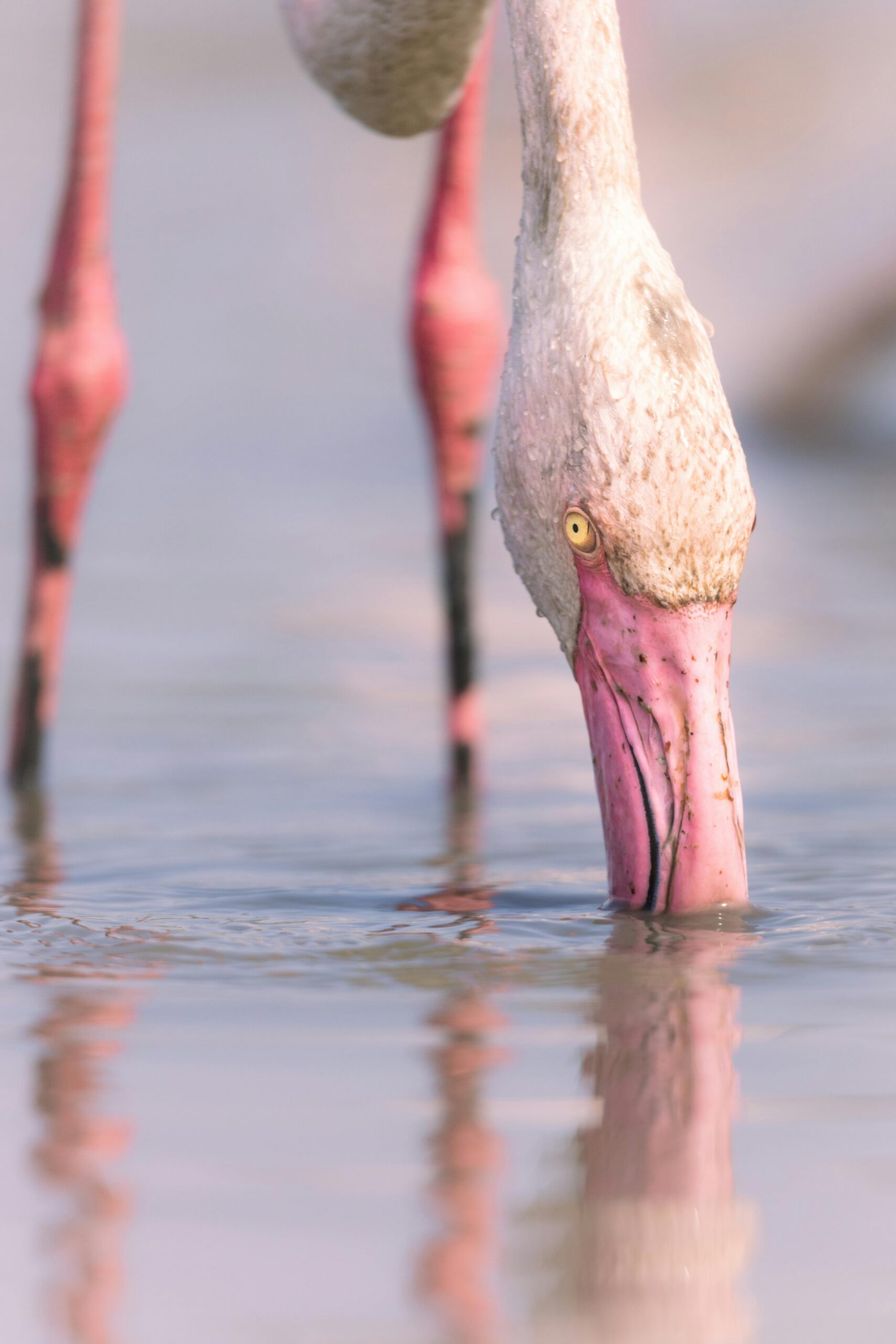
Nestled between the salt marshes and the Mediterranean Sea, Aigues-Mortes is a town that seems to have been plucked straight from the pages of a medieval storybook. Its imposing walls, narrow cobbled streets, and the ever-present scent of salt in the air all whisper tales of a past rich with adventure, ambition, and intrigue. To walk through Aigues-Mortes is to step back in time, to an era when kings and crusaders shaped the destiny of Europe. The story of Aigues-Mortes begins in the 8th century, when it was little more than a humble fishing village surrounded by marshes. Its name, which translates to “dead waters,” refers to the stagnant ponds and salt flats that have long characterized the region. But it was in the 13th century that Aigues-Mortes truly found its place in history, thanks to the vision of a king. Louis IX, later canonized as Saint Louis, sought a port that would allow France direct access to the Mediterranean, free from the influence of the powerful maritime republics of Genoa and Venice. In 1240, he chose Aigues-Mortes as the site for his new royal port. The marshes were drained, canals were dug, and the town was fortified with massive walls and towers. The most iconic of these is the Tour de Constance, a round fortress that would later become a notorious prison for Protestant women during the religious wars of the 16th and 17th centuries. Aigues-Mortes became the embarkation point for the Seventh and Eighth Crusades, led by Louis IX himself. In 1248, the king set sail from the port with a fleet of over a thousand ships, bound for the Holy Land. The town buzzed with activity as knights, merchants, and pilgrims passed through its gates, leaving behind a legacy of trade and cultural exchange. The salt trade, in particular, flourished, and the famous “white gold” of Camargue became a prized commodity across Europe. Yet, the glory of Aigues-Mortes as a major port was short-lived. By the end of the 15th century, the shifting sands and silting of the harbor made navigation increasingly difficult. The discovery of the Americas and the rise of Atlantic ports like Bordeaux and Nantes further diminished its importance. The town, once a symbol of royal ambition, slowly faded into obscurity. Despite its decline as a port, Aigues-Mortes remained a vital center for the salt industry. The salt pans, or “salins,” surrounding the town have been worked since ancient times, and the salt workers, known as “sauniers,” developed a unique culture and way of life. The harsh conditions of the salt marshes bred a resilient people, whose traditions and dialects still echo in the region today. The town also became a stage for religious conflict. During the Wars of Religion, Aigues-Mortes was a stronghold of Protestantism, and the Tour de Constance was used to imprison Huguenot women. The stories of these prisoners, some of whom spent decades within the tower’s thick walls, add a layer of poignant history to the town’s already rich tapestry. Today, Aigues-Mortes is a treasure trove for history lovers and travelers seeking a taste of medieval France. The town’s fortifications, remarkably well-preserved, invite visitors to wander along the ramparts and imagine the bustling port it once was. The Tour de Constance stands as a silent witness to centuries of drama, while the Church of Notre-Dame-des-Sablons, built in the 13th century, offers a serene retreat from the summer sun. The salt pans continue to produce the famed “fleur de sel,” a delicate, hand-harvested salt prized by chefs around the world. Each year, the town comes alive with festivals celebrating its heritage, from medieval reenactments to salt harvest celebrations. To visit Aigues-Mortes is to experience the layers of history that have shaped this unique corner of France. From the grand ambitions of a saintly king to the quiet resilience of salt workers, the town’s story is one of transformation and endurance. As the sun sets over the marshes, casting a golden glow on the ancient walls, it’s easy to feel the presence of the past—and to understand why Aigues-Mortes remains a place of wonder and inspiration.