
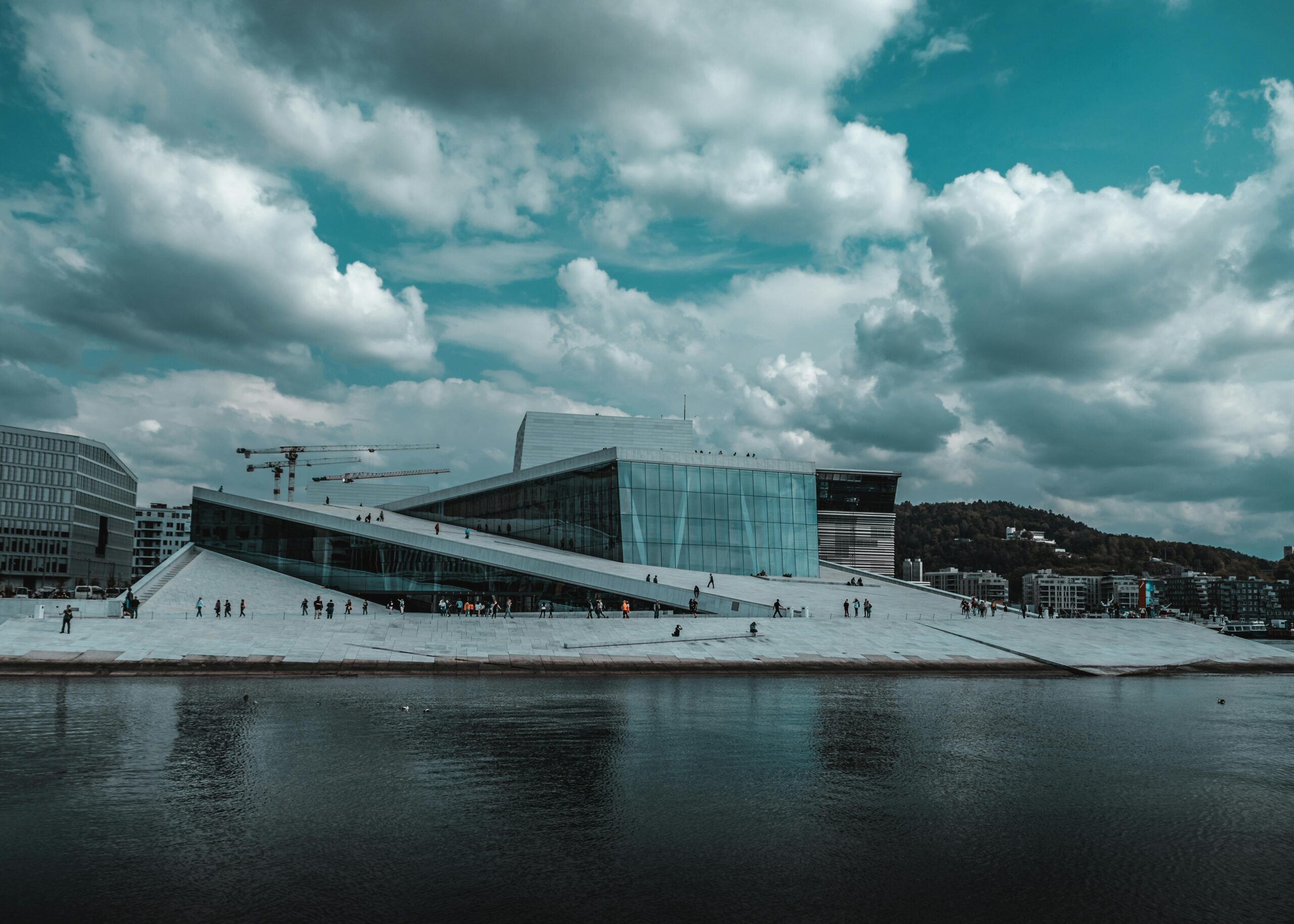


Oslo, the capital of Norway, has a rich history that dates back to the Viking Age. It was founded around 1050 by King Harald Hardrada. Originally, it was known as Óslo and was a key trading hub. The city’s location at the head of the Oslofjord was strategically important for commerce and defense. In 1624, after a devastating fire, the city was rebuilt closer to Akershus Fortress. King Christian IV renamed it Christiania in his own honor. The city flourished as a center of administration and culture, especially in the 19th century when it became the capital of a newly independent Norway. In 1925, the city reclaimed its original name, Oslo. Today, Oslo is a vibrant metropolis that seamlessly blends its historical heritage with modern urban life. The city is home to a number of museums, including the Viking Ship Museum and the Munch Museum. It’s known for its green spaces, such as Frogner Park, and its close proximity to nature, offering residents and visitors opportunities for hiking and skiing in the nearby forests. The city’s architecture ranges from the historic buildings in the city center to the contemporary structures of the Barcode Project.