
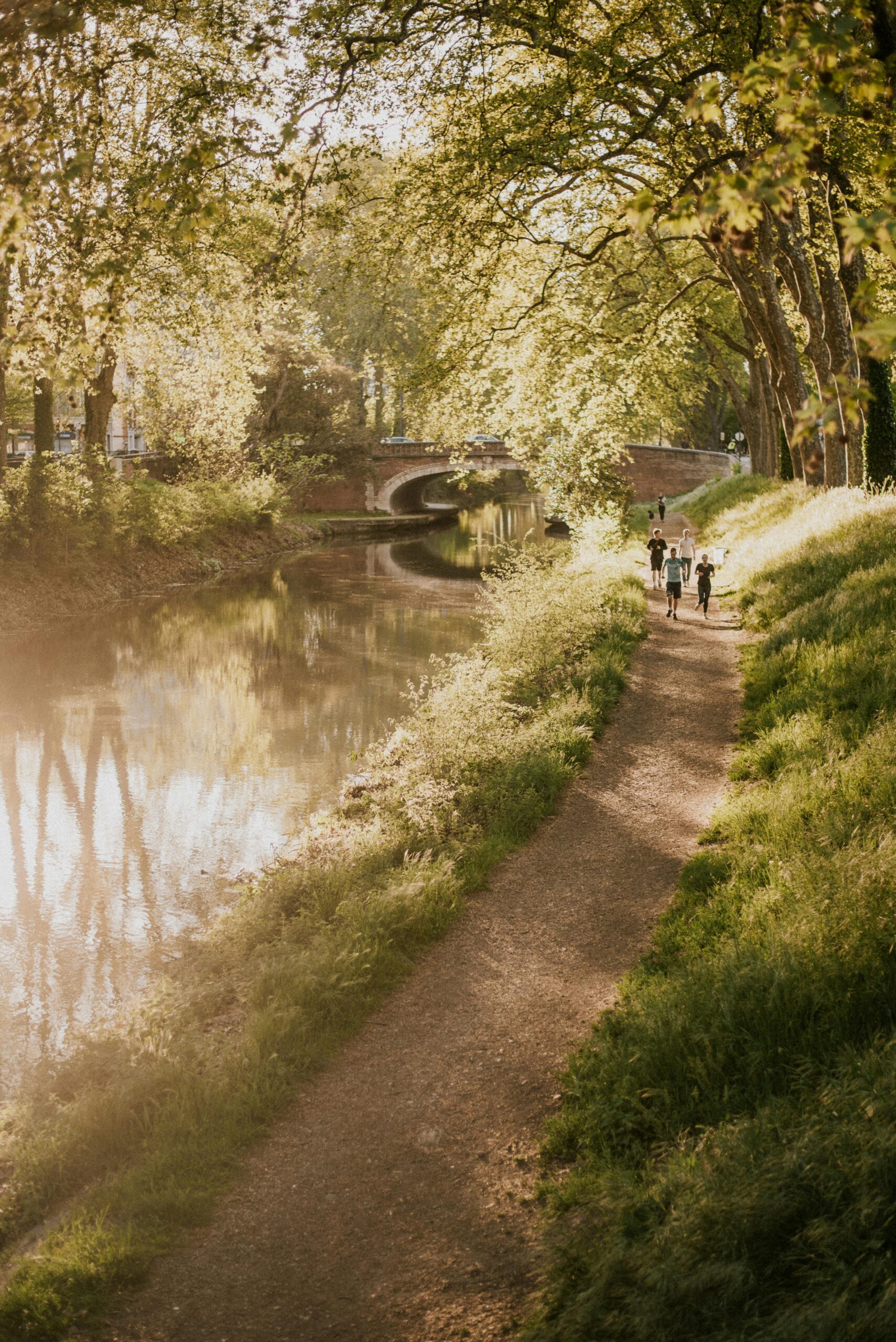

The Canal du Midi, a UNESCO World Heritage site since 1996, is one of France’s most remarkable feats of engineering. Conceived in the 17th century, it was the brainchild of Pierre-Paul Riquet, a tax collector and visionary who dreamed of connecting the Atlantic Ocean to the Mediterranean Sea. Construction began in 1666 under the reign of Louis XIV and was completed in 1681, after 15 years of backbreaking labor by thousands of workers. The canal’s creation was driven by both economic and strategic motives. At the time, transporting goods between the Atlantic and the Mediterranean was a perilous journey, requiring ships to sail around the Iberian Peninsula, risking storms, pirates, and long delays. The Canal du Midi offered a safer, faster route, boosting trade and solidifying France’s position as a commercial powerhouse.
Commerce and Prosperity: The Canal’s Golden Age
The Canal du Midi quickly became a vital artery for commerce. It facilitated the transport of wine, wheat, textiles, and other goods between the Mediterranean and the Atlantic, stimulating economic growth in the region. Towns like Toulouse, Carcassonne, and Béziers flourished as trade hubs, and the canal’s success inspired similar projects across Europe. For centuries, the canal was bustling with activity. Barges laden with cargo navigated its waters, while inns, warehouses, and workshops sprung up along its banks. The canal’s impact on local economies was profound, and its legacy endures today, as it continues to attract tourists and support regional businesses.
Engineering Marvels: Écluses (Locks) and the Malpas Tunnel
How Écluses (Locks) Work
One of the most fascinating aspects of the Canal du Midi is its system of écluses, or locks. These ingenious structures allow boats to navigate changes in elevation. Here’s how they work:
- Chambers with Gates: A lock is a chamber with gates at both ends. When a boat enters, the gates close, sealing the chamber.
- Water Levels: The water level inside the chamber is then raised or lowered to match the level of the next section of the canal.
- Boat Passage: Once the water levels are equal, the gates open, and the boat can proceed.
This system was revolutionary in the 17th century and remains a testament to the ingenuity of the canal’s designers.
The Malpas Tunnel: A Boat Tunnel Like No Other
Another highlight of the Canal du Midi is the Malpas Tunnel, a 165-meter-long tunnel that cuts through a hill near the village of Nissan-lez-Ensérune. What makes this tunnel unique is that it was the first canal tunnel in the world to be built with a towpath, allowing horses to pull barges through the tunnel. The tunnel’s construction was a daring endeavor, involving precise calculations and careful excavation to ensure stability and safety.
A Personal Experience: Exploring the Écluses and Tunnel
Visiting the Canal du Midi is like stepping back in time. Walking along the towpaths, watching boats pass through the écluses, and marveling at the Malpas Tunnel offers a glimpse into the past. The rhythmic opening and closing of the lock gates, the gentle lapping of water against the stone walls, and the quiet hum of the countryside create a serene and captivating atmosphere.
The canal is not just a historical monument; it’s a living, breathing part of France’s cultural heritage. Whether you’re a history buff, an engineering enthusiast, or simply someone who appreciates beauty and tranquility, the Canal du Midi is a destination that should not be missed.
The Canal du Midi in the World of Boat Tunnels
While the Malpas Tunnel is a standout feature of the Canal du Midi, it’s just one example of how canals and tunnels have shaped global trade and transportation. From the Standedge Tunnel in the UK to the Dongping Tunnel in China, boat tunnels have played a crucial role in connecting waterways and facilitating commerce. The Canal du Midi, with its blend of innovation and elegance, remains a shining example of what human ingenuity can achieve.